Analyzing Incentive Structures in Cryptocurrency-Based Casino Platforms
Written by Nils Roth · Oct 21, 2026
Analyzing Incentive Structures in Cryptocurrency-Based Casino Platforms
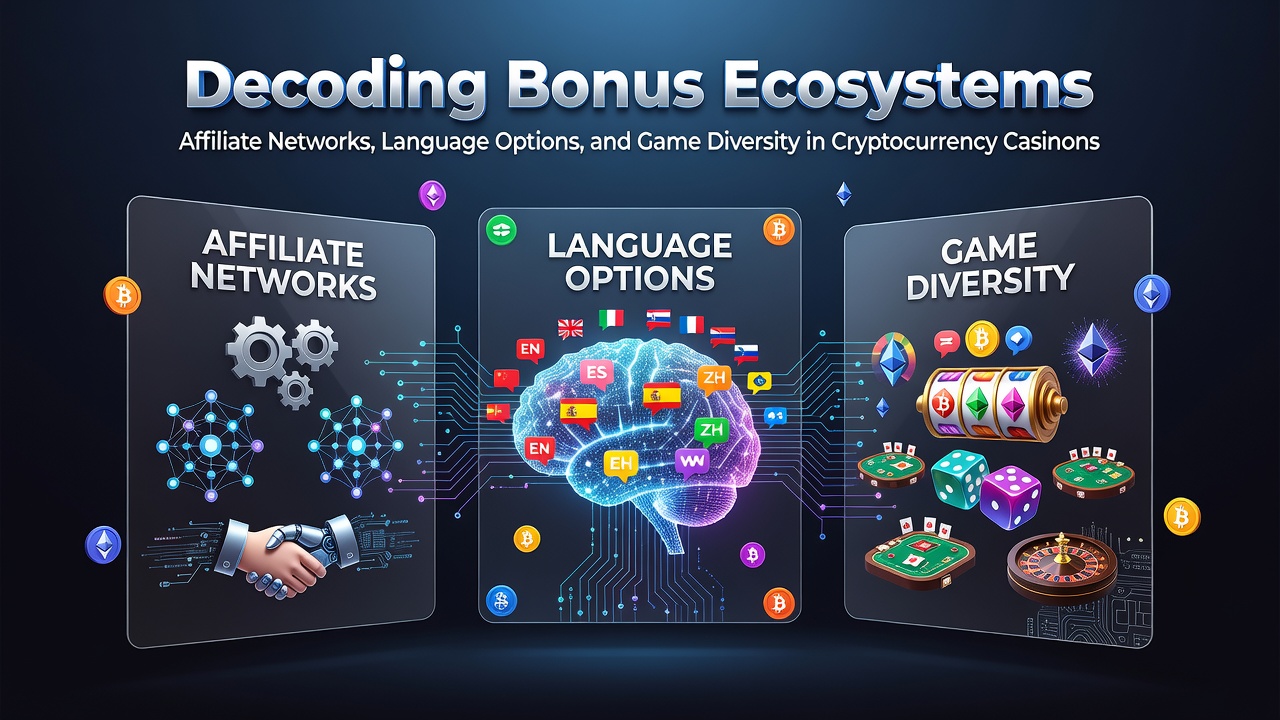
Observers note that cryptocurrency casinos operate through layered incentive structures where affiliate networks serve as primary distribution channels for player acquisition and retention programs, and these networks often connect operators with promoters who earn commissions based on referred activity levels while data from October 2026 indicates continued expansion in regions with established digital asset regulations.
Affiliate Networks and Their Role in Bonus Distribution
Research indicates that affiliate networks function as intermediaries linking cryptocurrency casino operators with content creators, review sites, and promotional platforms, and these partnerships typically operate on revenue-share models where affiliates receive percentages of player losses or deposits over extended periods. Studies from the European Gaming and Betting Association reveal that such networks have grown alongside blockchain adoption, allowing operators to reach global audiences without traditional advertising restrictions in many jurisdictions. Those who've examined platform agreements find that tracking systems rely on unique referral codes and cookies that persist across sessions, ensuring accurate attribution even when players engage through multiple devices.
What's interesting is how these networks integrate with bonus ecosystems, since operators design welcome packages, reload offers, and loyalty rewards specifically to convert referred traffic into active users, and data shows that commission structures often include tiered bonuses for affiliates who meet volume thresholds. People who've studied these arrangements observe that transparency in payout reporting varies across networks, with some providing real-time dashboards while others issue monthly summaries based on aggregated metrics.
Language Options and Accessibility Across Platforms
Evidence suggests that language support in cryptocurrency casinos directly influences user engagement rates, as platforms offering multiple interface languages attract participants from diverse geographic regions where local tongues reduce friction during registration and gameplay. According to findings published by the Australian Institute of Criminology, multilingual features correlate with higher retention in markets outside English-dominant areas, since players prefer navigating terms, bonus conditions, and game rules in their native languages. Operators frequently deploy automated translation tools alongside human-reviewed content to maintain accuracy, particularly for complex wagering requirements and withdrawal policies.
Turns out that language options extend beyond the main site to customer support channels and promotional materials, and this approach helps platforms comply with regional expectations even when cryptocurrency transactions remain the core payment method. Observers note that expansion into languages such as Spanish, Russian, and Mandarin has become common among larger networks, driven by player acquisition data that highlights untapped markets in Latin America and Asia.
Game Diversity and Its Connection to Bonus Ecosystems
Figures reveal that game libraries in cryptocurrency casinos range from thousands of slots to live dealer tables and provably fair titles built on blockchain verification, and this breadth allows operators to tailor bonus promotions around specific categories such as free spins on new releases or cashback on table games. Those who've analyzed platform catalogs find that partnerships with software providers enable rapid addition of titles, which in turn supports seasonal campaigns and affiliate-driven events scheduled for periods like October 2026.
But here's the thing: diversity also affects how bonuses are structured, since wagering contributions differ by game type with slots often counting at higher percentages than progressive jackpots or certain card games. Research from the Canadian Gaming Association indicates that platforms balancing quantity with quality through curated selections maintain steadier player activity, as users discover fresh content that aligns with their preferences while still meeting playthrough conditions attached to deposit matches and no-deposit incentives.
Integration of Networks, Languages, and Content Variety
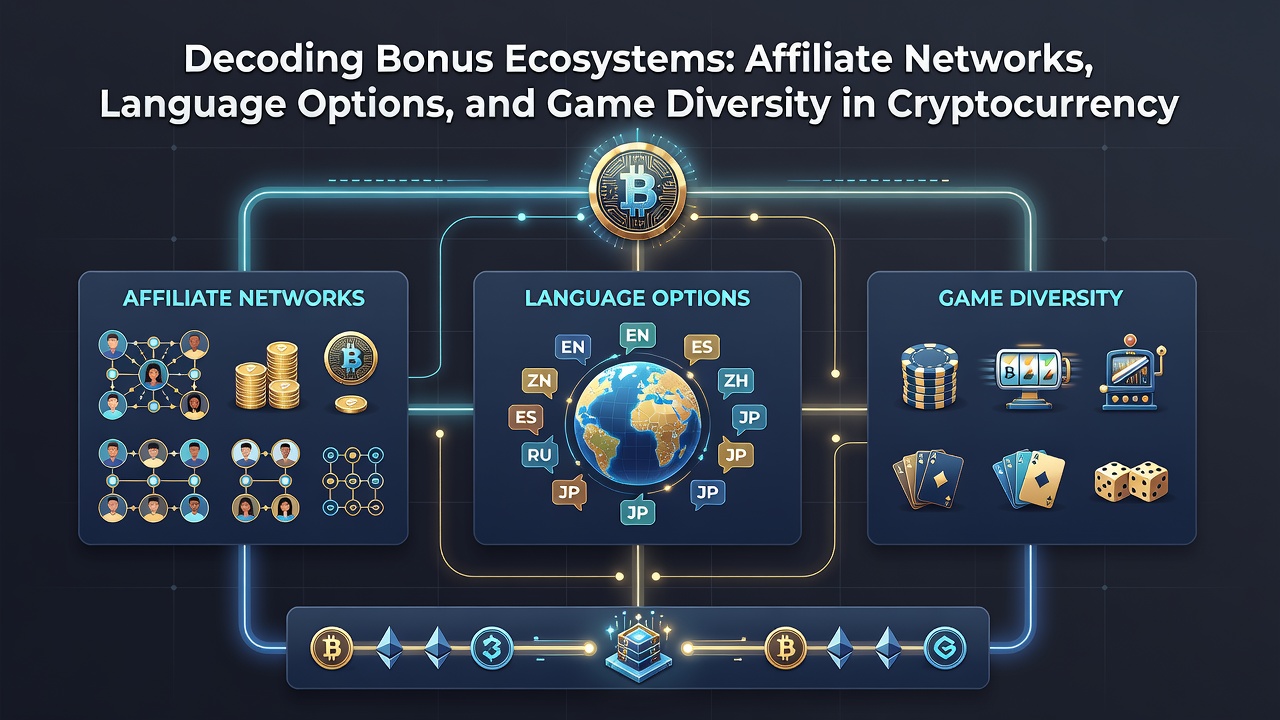
Experts have observed that the most effective bonus ecosystems combine affiliate reach with language localization and extensive game portfolios, creating pathways where referred players encounter familiar interfaces and varied options from the first interaction onward. This integration supports sustained participation because promotional codes and loyalty tiers apply across multiple game genres regardless of the user's primary language selection. Data from October 2026 shows operators refining these connections through analytics that track which language-game combinations yield the strongest conversion from affiliate traffic.
Yet the reality remains that regulatory environments in different regions shape how these elements combine, with some jurisdictions limiting bonus advertising while others focus on responsible gaming disclosures that appear in supported languages. Those studying platform evolution note that cryptocurrency casinos continue adapting these components to maintain compliance without sacrificing the reach provided by affiliate networks.
Conclusion
Overall patterns demonstrate that affiliate networks, language options, and game diversity form interconnected elements within cryptocurrency casino bonus ecosystems, and understanding these connections provides clearer insight into how operators attract and retain users across global markets. Continued monitoring of developments through late 2026 will likely highlight further refinements in these areas as platforms respond to shifting player demographics and technological capabilities.